
Growing Threat of Tehreek-e-Taliban Pakistan Raises Alarm in United Nations Security Council
The United Nations Security Council (UNSC) is sounding the alarm over the escalating threat posed by theTehrik-e-Taliban Pakistan (TTP), a group classified as a terrorist organization. The TTP has bee
The United Nations Security Council (UNSC) is sounding the alarm over the escalating threat posed by theTehrik-e-Taliban Pakistan (TTP), a group classified as a terrorist organization. The TTP has been increasingly active, launching high-profile attacks from Afghan territory, resulting in significant casualties in Pakistan.
Tehrik-e-Taliban Pakistan: UNSC Warning on TTP's Activities
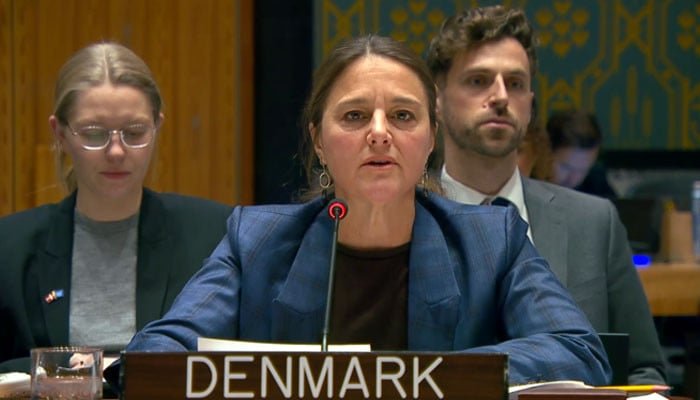
Denmark’s Deputy Permanent Representative to the UN and Chair of the UNSC's ISIL and Al-Qaeda Sanctions Committee, Sandra Jensen Landi, presented an alarming report highlighting the TTP's operations. According to Landi, the group comprises approximately 6,000 fighters and benefits from both logistical and substantial support from the 'de facto' authorities in Afghanistan.
Landi emphasized that the TTP's actions pose a serious threat, as the region faces evolving terror challenges, particularly with terrorist groups exploiting new technologies for malicious purposes.
Rising Tensions Between Pakistan and Afghanistan
The increasing threat from the TTP coincides with heightened tensions between Pakistan and Afghanistan, stemming from the reluctance of the Afghan Taliban to take decisive action against terrorist factions operating from its soil. Pakistan's Deputy Permanent Representative to the UN, Usman Jadoon, highlighted the sacrifices the nation has endured in combating terrorism, citing over 80,000 casualties and substantial economic losses amounting to billions of dollars.
"Al-Qaeda was largely decimated due to Pakistan's efforts," Jadoon stated, underscoring his nation's commitment to counter-terrorism. He criticized the patronage given to groups like ISIL-K, the TTP, and the Balochistan Liberation Army (BLA) by Afghan authorities. Jadoon also emphasized that the UNSC’s sanctions regime must accurately reflect current realities and recommended a transparent approach for both listing and delisting issues, free from political influences.
Call for Broader Counter-Terrorism Measures
Chinese representatives at the UNSC echoed Pakistan's concerns, urging members to support the inclusion of the Balochistan Liberation Army and its Majeed Brigade in the sanctions list, reinforcing a zero-tolerance stance towards terrorism.
Military Actions and Ceasefire Attempts
Recent military actions along the Pakistan-Afghanistan border have further strained relations. On October 12, the Taliban and TTP launched an unprovoked attack, prompting a robust response from the Pakistan Armed Forces, which resulted in the death of over 200 Afghan militants. Reports indicate that during this conflict, 23 Pakistani soldiers also lost their lives.
In subsequent military operations, Pakistani forces conducted precision strikes in Afghanistan’s Kandahar province and its capital, Kabul, targeting strongholds identified as threats. Despite attempts to negotiate a temporary ceasefire during talks in Doha on October 19, further discussions in Istanbul yielded little progress, as Kabul's unwillingness to address the core issue of cross-border terrorism frustrated Islamabad's efforts to achieve lasting peace.
